India to get record number of doctors in next 10 years due to govt. push for medical education: PM

Prime Minister Narendra Modi on Friday said the country will get a record number of doctors in the next 10 years due to the Central government’s policy of establishing at least one medical college in every district.
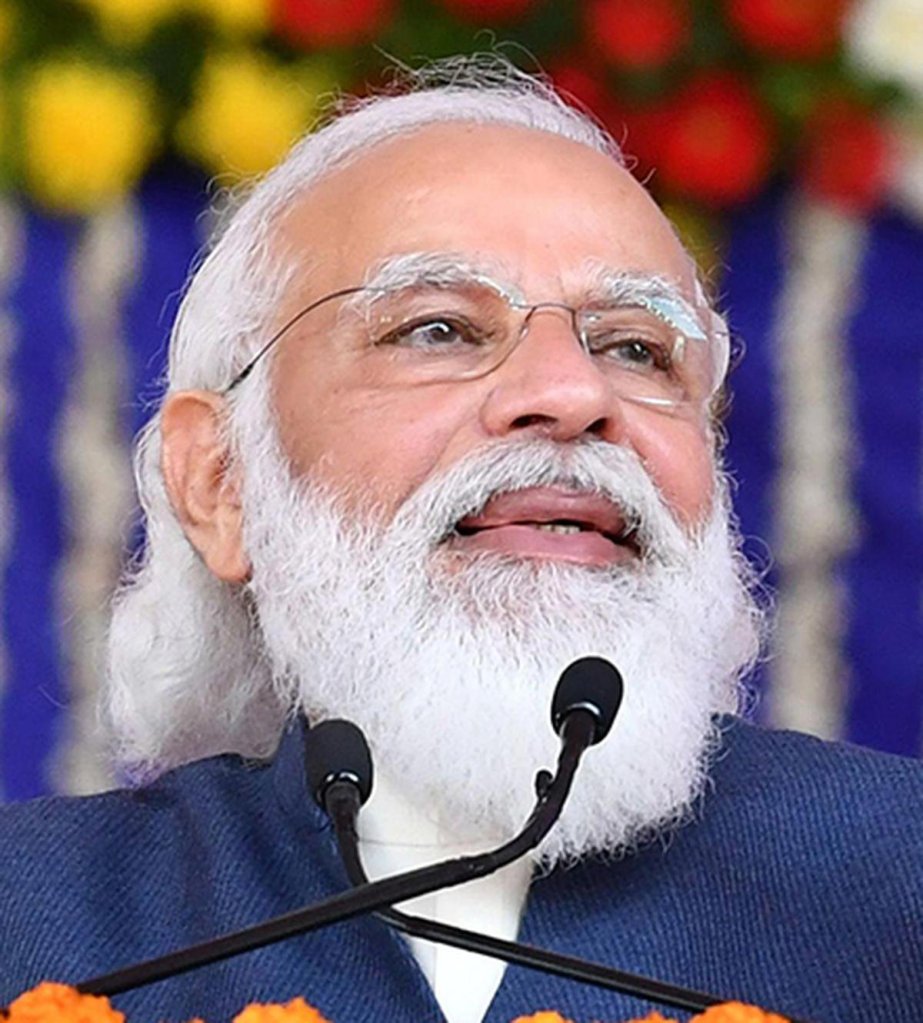
Speaking after dedicating to the nation a 200-bed K.K. Patel Mutli-speciality Hospital in Bhuj in Gujarat’s Kutch district via video-conference, he said coronavirus is still lurking and people should not take it easy and be watchful.

The modern health facility is the first charitable multi-speciality hospital in the Kutch region and it has been built by the Leuva Patel community of Bhuj with help from donors based in India and abroad.

“The goal of having at least one medical college in every district and ensuring that medical education was in reach of everyone will result in the country getting a record numbers of doctors after 10 years,” the PM said.

He said two decades ago, Gujarat had just nine medical colleges with around 1,100 MBBS seats, but the medical education scenario has improved vastly in the past 20 years.

“Now, the state has one AIIMS and over three dozen medical colleges. Earlier, only 1,000 students used to get admission in medical colleges of Gujarat, now around 6,000 students get admission in these colleges. AIIMS in Rajkot has started admitting 50 students from 2021,” Mr. Modi said.

Stressing that coronavirus has still not gone away and people should not take it easy, the PM said Yoga and Ayurveda, which have their origins in India, caught the world’s attention during the pandemic.

He said export of turmeric from India has increased after the advent of the pandemic as people across the globe learnt about its health benefits.

To spread the message of healthy living, Mr. Modi urged the people of Kutch to set a world record by ensuring maximum participation of citizens in the district during the International Day of Yoga on June 21.

To boost tourism in Gujarat and in the country, the PM sought help of people from Kutch living abroad in persuading foreigners to visit attractions like the White Rann of Kutch during Rann Utsav and 182-metre tall Statue of Unity in Narmada district dedicated to Sardar Patel.

“This is my appeal to the Kutchi diaspora spread across the world. Every year, one such Kutchi family should persuade at least five foreigners to visit the Rann of Kutch and the Statue of Unity. This will definitely boost tourism activity and also help poor people such as auto drivers and tea sellers in earning livelihood,” he said.

The PM called for constructing 75 lakes per district to mark the 75th anniversary of India’s independence.

He urged the diaspora to contribute in building at least 75 large lakes in the arid Kutch region so that people do not face water shortage.

Mr. Modi expressed concern about the Maldhari (cattle-rearer) community of Kutch whose members are forced to migrate to other districts with their livestock and family in search of water and fodder after the monsoon months get over and dry season sets in.

“I want the people of Kutch to convince these Maldharis to stay back because Kutch is no longer water deficient. They must be made aware that there is no need to migrate because enough water and fodder is now available in Kutch. This migration also deprives their children of studies. This pains me a lot,” he said.
https://www.kooapp.com/profile/Ajay.Rama

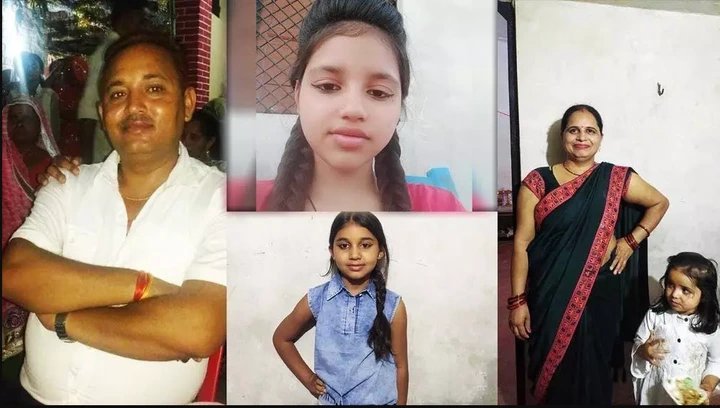
Brutal Murder: à€à€• à€čà„€ à€Șà€°à€żà€”à€Ÿà€° à€•à„‡ 5 à€Čà„‹à€—à„‹à€‚ à€•à„€ à€šà„ƒà€¶à€‚à€ž à€čà€€à„à€Żà€Ÿ à€žà„‡ à€Šà€čà€Č à€—à€Żà€Ÿ à€‰à€€à„à€€à€°à€Șà„à€°à€Šà„‡à€¶

à€Șà„à€°à€Żà€Ÿà€—à€°à€Ÿà€œà„€ Brutal Murder:

à€Șà„à€°à€Żà€Ÿà€—à€°à€Ÿà€œ à€źà„‡à€‚ à€Źà€Ąà€Œà„€ à€”à€Ÿà€°à€Šà€Ÿà€€ à€čà„‹ à€—à€ˆ à€čà„ˆà„€ à€—à€‚à€—à€Ÿà€Șà€Ÿà€° à€•à„‡ à€šà€”à€Ÿà€Źà€—à€‚à€œ à€„à€Ÿà€šà€Ÿ à€•à„à€·à„‡à€€à„à€° à€•à„‡ à€–à€Ÿà€—à€Čà€Șà„à€° à€—à€Ÿà€‚à€” à€źà„‡à€‚ à€¶à„à€•à„à€°à€”à€Ÿà€° à€•à„€ à€°à€Ÿà€€ à€źà„‡à€‚ à€”à€Ÿà€°à€Šà€Ÿà€€ à€čà„à€ˆà„€ à€à€• à€čà„€ à€Șà€°à€żà€”à€Ÿà€° à€•à„‡ à€Șà€Ÿà€‚à€š à€Čà„‹à€—à„‹à€‚ à€•à„€ à€šà€Ÿà€Șà€Ąà€Œ à€žà„‡ à€”à€Ÿà€° à€•à€° à€čà€€à„à€Żà€Ÿ (Brutal Murder) à€•à€° à€Šà„€ à€—à€ˆà„€ à€žà„à€Źà€č à€œà€Ÿà€šà€•à€Ÿà€°à„€ à€čà„‹à€šà„‡ à€Șà€° à€čà€Ąà€Œà€•à€‚à€Ș à€źà€š à€—à€Żà€Ÿà„€ à€žà„â€à€„à€Ÿà€šà„€à€Ż à€Șà„à€Čà€żà€ž à€žà„‡ à€Čà„‡à€•à€° à€à€žà€à€žà€Șà„€ à€€à€• à€źà„Œà€•à„‡ à€Șà€° à€Șà€čà„à€‚à€šà„‡à„€ à€Ąà€Ÿà€— à€žà„â€à€•à„â€à€”à€Ÿà€Żà€Ą à€”à€° à€«à„‹à€°à„‡à€‚à€žà€żà€• à€Ÿà„€à€ź à€­à„€ à€œà€Ÿà€‚à€š à€Șà€Ąà€Œà€€à€Ÿà€Č à€•à€° à€°à€čà„€ à€čà„ˆà„€ à€à€• à€čà„€ à€Șà€°à€żà€”à€Ÿà€° à€•à„‡ à€‡à€€à€šà„‡ à€Čà„‹à€—à„‹à€‚ à€•à„€ à€čà€€à„â€à€Żà€Ÿ à€žà„‡ à€—à€Ÿà€‚à€” à€źà„‡à€‚ à€Šà€čà€¶à€€ à€•à€Ÿ à€źà€Ÿà€čà„Œà€Č à€čà„ˆà„€

à€•à„Œà€¶à€Ÿà€‚à€Źà„€ à€•à€Ÿ à€°à€čà€šà„‡ à€”à€Ÿà€Čà€Ÿ à€Șà€°à€żà€”à€Ÿà€° à€šà€”à€Ÿà€Źà€—à€‚à€œ à€•à„‡ à€–à€Ÿà€—à€Čà€Șà„à€° à€źà„‡à€‚ à€•à€żà€°à€Ÿà€ à€Șà€° à€°à€čà€€à€Ÿ à€„à€Ÿà„€ à€šà€żà€”à€Ÿà€žà„€ à€­à€Ÿà€Šà€”à€Ÿ à€žà€żà€°à€Ÿà€„à„‚ à€„à€Ÿà€šà€Ÿ à€•à„‹à€–à€°à€Ÿà€œ à€šà€żà€”à€Ÿà€žà„€ 42 à€”à€°à„à€·à„€à€Ż à€°à€Ÿà€čà„à€Č à€€à€żà€”à€Ÿà€°à„€ à€Šà„à€§à€Ÿà€°à„‚ à€Șà€¶à„à€“à€‚ à€•à€Ÿ à€”à„à€Żà€Ÿà€Șà€Ÿà€° à€•à€°à€€à€Ÿ à€„à€Ÿà„€ à€”à€č à€žà„à€°à„‡à€¶ à€•à„à€źà€Ÿà€° à€€à€żà€”à€Ÿà€°à„€ à€•à„‡ à€źà€•à€Ÿà€š à€źà„‡à€‚ à€•à€żà€°à€Ÿà€ à€Șà€° à€•à€źà€°à€Ÿ à€Čà„‡à€•à€° à€°à€čà€€à€Ÿ à€„à€Ÿà„€ à€°à€Ÿà€čà„à€Č à€€à€żà€”à€Ÿà€°à„€ 38 à€”à€°à„à€·à„€à€Ż à€Șà€€à„â€à€šà„€ à€Șà„à€°à„€à€€à€ż à€”à€° à€€à„€à€š à€Źà„‡à€Ÿà€żà€Żà„‹à€‚ à€•à„‡ à€žà€Ÿà€„ à€°à€čà€€à€Ÿ à€„à€Ÿà„€ à€Źà„‡à€Ÿà€żà€Żà„‹à€‚ à€•à„€ à€‰à€źà„à€° 12, à€žà€Ÿà€€ à€”à€° à€Șà€Ÿà€‚à€š à€”à€°à„à€· à€„à„€à„€

à€¶à„à€•à„à€°à€”à€Ÿà€° à€•à„€ à€°à€Ÿà€€ à€źà„‡à€‚ à€°à€Ÿà€čà„à€Č à€Șà€°à€żà€”à€Ÿà€° à€•à„‡ à€žà€Ÿà€„ à€–à€Ÿà€šà€Ÿ à€–à€Ÿà€šà„‡ à€•à„‡ à€Źà€Ÿà€Š à€žà„‹ à€°à€čà€Ÿ à€„à€Ÿà„€ à€°à€Ÿà€€ à€źà„‡à€‚ à€˜à€° à€•à„‡ à€žà€­à„€ à€Șà€Ÿà€‚à€šà„‹à€‚ à€Čà„‹à€—à„‹à€‚ à€•à„€ à€čà€€à„à€Żà€Ÿ à€•à€° à€Šà„€ à€—à€ˆà„€ à€žà„à€Źà€č à€Șà€Ąà€Œà„‹à€žà„€ à€Šà€Ÿà€Šà„‚ à€šà„‡ à€žà€Źà€žà„‡ à€Șà€čà€Čà„‡ à€¶à€”à„‹à€‚ à€•à„‹ à€Šà„‡à€–à€Ÿà„€ à€«à€żà€° à€Šà„‚à€žà€°à„‡ à€•à€żà€°à€Ÿà€à€Šà€Ÿà€° à€žà€‚à€Šà„€à€Ș à€•à„‹ à€«à„‹à€š à€•à€°à€•à„‡ à€Źà€€à€Ÿà€Żà€Ÿà„€ à€—à„à€°à€Ÿà€źà„€à€Łà„‹à€‚ à€•à„‹ à€”à€Ÿà€°à€Šà€Ÿà€€ à€•à„€ à€œà€Ÿà€šà€•à€Ÿà€°à„€ à€čà„à€ˆ à€€à„‹ à€Șà„à€Čà€żà€ž à€•à„‹ à€žà„‚à€šà€šà€Ÿ à€Šà„€à„€ à€čà€€à„à€Żà€Ÿ à€•à„€ à€žà„‚à€šà€šà€Ÿ à€Șà€° à€šà€”à€Ÿà€Źà€—à€‚à€œ à€„à€Ÿà€šà€Ÿ à€Șà„à€Čà€żà€ž à€źà„Œà€•à„‡ à€Șà€° à€Șà€čà„à€‚à€šà„€à„€ à€•à„à€› à€čà„€ à€Šà„‡à€° à€Źà€Ÿà€Š à€«à€Ÿà€°à„‡à€‚à€žà€żà€• à€à€•à„à€žà€Șà€°à„à€Ÿ à€”à€° à€Ąà€Ÿà€— à€žà„à€•à„à€”à€Ÿà€Żà€Ą à€­à„€ à€źà„Œà€•à„‡ à€Șà€° à€Șà€čà„à€‚à€šà„‡à„€ à€čà€€à„â€à€Żà€Ÿ à€•à„€ à€”à€œà€č à€«à€żà€Čà€čà€Ÿà€Č à€žà„à€Șà€·à„à€Ÿ à€šà€čà„€à€‚ à€čà„ˆà„€

à€Șà€Ÿà€‚à€š à€Čà„‹à€—à„‹à€‚ à€•à„€ à€čà€€à„â€à€Żà€Ÿ à€Șà€° à€žà€źà€Ÿà€œà€”à€Ÿà€Šà„€ à€Șà€Ÿà€°à„à€Ÿà„€ à€šà„‡ à€œà€€à€Ÿà€Żà€Ÿ à€†à€•à„à€°à„‹à€¶

à€šà€”à€Ÿà€Źà€—à€‚à€œ à€źà„‡à€‚ à€à€• à€čà„€ à€Șà€°à€żà€”à€Ÿà€° à€•à„‡ à€Șà€€à€ż-à€Șà€€à„â€à€šà„€ à€”à€° à€‰à€šà€•à„€ à€€à„€à€š à€Źà„‡à€Ÿà€żà€Żà„‹à€‚ à€•à„€ à€čà€€à„â€à€Żà€Ÿ à€•à„‹ à€Čà„‡à€•à€° à€žà€źà€Ÿà€œà€”à€Ÿà€Šà„€ à€Șà€Ÿà€°à„à€Ÿà„€ à€šà„‡ à€•à€Ąà€Œà„€ à€Șà„à€°à€€à€żà€•à„à€°à€żà€Żà€Ÿ à€”à„â€à€Żà€•à„â€à€€ à€•à„€ à€čà„ˆà„€ à€žà€Șà€Ÿ à€•à„€ à€“à€° à€žà„‡ à€Ÿà„à€”à„€à€Ÿ à€œà€Ÿà€°à„€ à€•à€° à€Čà€żà€–à€Ÿ à€—à€Żà€Ÿ à€•à€ż à€Šà€żà€š, à€€à€Ÿà€°à„€à€– à€€à„‹ à€Źà€Šà€Čà€€à„‡, à€šà€čà„€à€‚ à€Źà€Šà€Čà€€à€Ÿ à€Żà„‚à€Șà„€ à€źà„‡à€‚ à€œà€‚à€—à€Čà€°à€Ÿà€œà„€ à€Ÿà„à€”à„€à€Ÿ à€źà„‡à€‚ à€Čà€żà€–à€Ÿ à€—à€Żà€Ÿ à€•à€ż à€Șà„à€°à€Żà€Ÿà€—à€°à€Ÿà€œ à€źà„‡à€‚ à€°à€Ÿà€čà„à€Č à€€à€żà€”à€Ÿà€°à„€ à€žà€źà„‡à€€ à€‰à€šà€•à„‡ à€Șà€°à€żà€”à€Ÿà€° à€•à„‡ à€Șà€Ÿà€‚à€š à€Čà„‹à€—à„‹à€‚ à€•à„€ à€§à€Ÿà€°à€Šà€Ÿà€° à€čà€„à€żà€Żà€Ÿà€° à€žà„‡ à€•à€Ÿà€Ÿà€•à€° à€šà„ƒà€¶à€‚à€ž à€čà€€à„â€à€Żà€Ÿ à€”à€żà€šà€Čà€żà€€ à€•à€°à€šà„‡ à€”à€Ÿà€Čà„€ à€˜à€Ÿà€šà€Ÿ à€čà„ˆà„€ à€žà€źà„‚à€šà€Ÿ à€Żà„‚à€Șà„€ à€…à€Șà€°à€Ÿà€§à€żà€Żà„‹à€‚ à€žà„‡ à€•à€Ÿà€‚à€Ș à€°à€čà€Ÿà„€ à€žà„€à€à€ź à€Źà€€à€Ÿà€à€‚ à€‰à€šà€•à€Ÿ à€Źà„à€Čà€Ąà„‹à€œà€° à€†à€–à€żà€° à€•à€čà€Ÿà€‚ à€šà€Č à€°à€čà€Ÿà„€

Share it to whatsapp group or any other social media platforms.

🙏🙏- Ajay Rama

Unprecedented anti-Naxal Blitz in Bastar Executed by Drone-wielding Security Forces

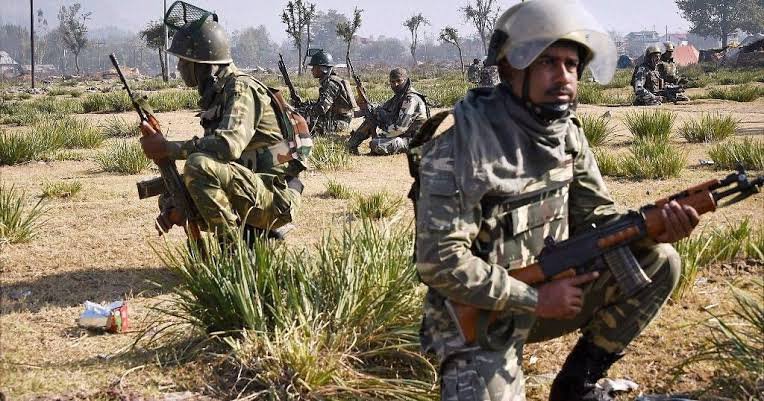
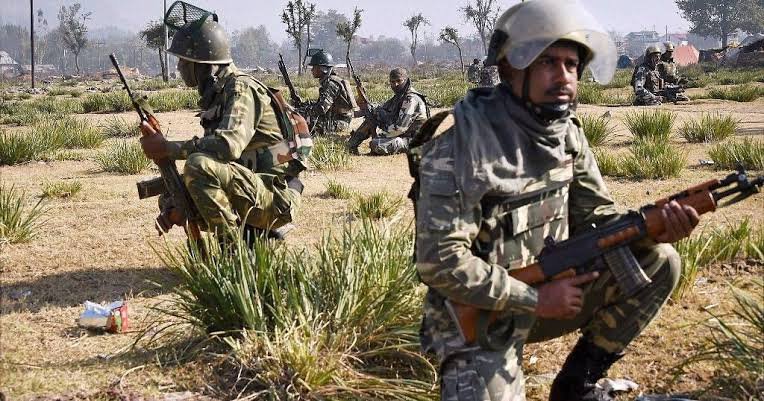
In the early morning of Friday, a massive anti-Naxal operation was carried out by security forces, initiated by the Central Reserve Police Force (CRPF), top sources told News18. The crackdown was conducted with the help of sophisticated drones that were used to initiate and conclude the operation, they added. In fact, the drones were used as weapons against the Naxals, said the sources.


The operation was conducted deep inside Bastar district’s southern area, they added.

According to the sources in the national security grid, the exercise was monitored by top security officials in Delhi and, after its completion, senior officers of the CRPF also went to Chhattisgarh.

The sources have confirmed that there have been massive casualties from the Naxals’ side. But security agencies are confirming that madvi hidma, the most-wanted Naxal leader, is still alive.

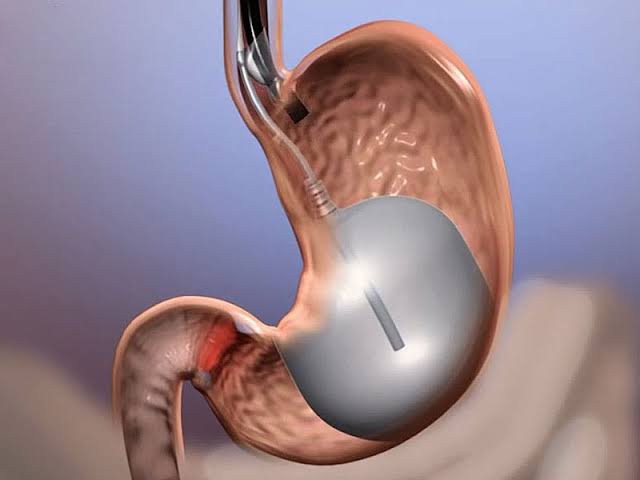
Gastric Balloon 🎈 – Weight loss method

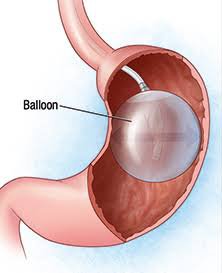
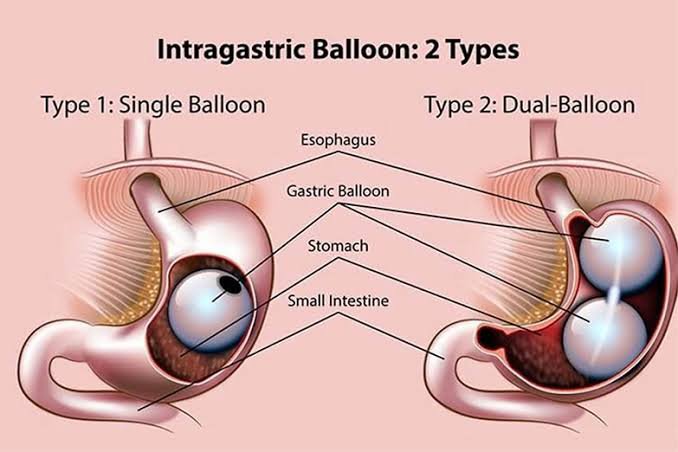
Gastric balloon, also called endoscopic intragastric balloon,

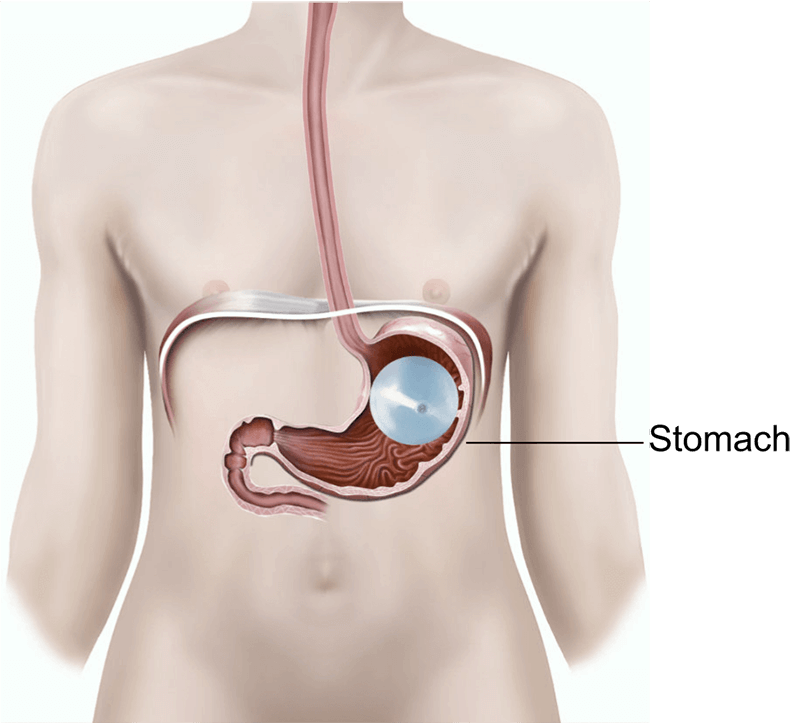
is a non-surgical weight-loss procedure which involves the insertion of a specialized balloon inside the stomach to occupy space and limit the food carrying capacity of the stomach. This makes you feel full sooner and limits your intake to smaller portions. The procedure is temporary and the balloon is usually removed after a period of 6 months.

Disease Overview.

Obesity is an excess of total body fat which results from caloric intake that exceeds energy usage. A measurement used to assess health risks of obesity is Body Mass Index or BMI.

Gastric balloon is a non-surgical weight loss treatment recommended for those indiviaduals who are not good candidates for weight loss surgery. Indications and Contraindications.

The gastric balloon is indicated in the following patients:

BMI of 30-40 kg/m2

Unable to lose weight with exercise and diet

Willing to participate in a medically-supervised lifestyle and behavior modification program

The weight loss system is contraindicated in the following patients:

Have previously undergone bariatric surgery

Are suffering from inflammatory diseases of the GI tract, large hiatal hernia, structural abnormalities in the pharynx or esophagus, and are prone to upper GI bleeding

Allergy to materials used during the procedure

Alcoholics or drug abusers

Women who are pregnant or breastfeeding Procedure.

Procedure.

The placement of the gastric balloon is carried out as an outpatient procedure.

The procedure is performed endoscopically under sedation. The deflated gastric balloon is attached to an endoscope, a narrow lighted tube with a camera attached, which is guided through your mouth and into the stomach. Once in proper position, your doctor inflates the balloon with saline and a dye, or gas to the desirable size. While the endoscope is removed, the balloon is retained in the stomach. The entire procedure takes about 15 minutes to complete. You will be able to leave the hospital soon after.

The balloon is temporarily left in the stomach for about 6 months, following which it is removed. The removal of the gastric balloon is also performed under sedation.

Post-Operative Care Post Procedural Care

Following the procedure, your throat might feel a little sore and you may experience some cramps and nausea as your stomach adjusts to the balloon.

You will be on a liquid or soft diet for a few weeks. This is followed by 6 months of supervised diet and behavior-modification that will be taken care of by a multidisciplinary team of nutritionists, gastroenterologists and medical weight loss physicians. This helps you to continue eating healthy and staying active, which will greatly influence results.

Risks and complications.

The Gastric balloon procedure is generally safe but as with any procedure complications may occur and can include:

Esophageal or gastric ulcers or perforation.

Deflation of the balloon which can lead to blockage.

Should the balloon rupture, the dye if used, will be released in the urine and you can notify your doctor immediately.

Gastric balloon is a minimally invasive procedure with minimal complications. The procedure helps patients lose weight and improve weight-related conditions such as type 2 diabetes, sleep apnea, high blood pressure and heart disease.Talk with your doctor if you have any concerns regarding the procedure.

Surgical Suture- Stitches,(à€€à€Ÿà€•à€Ÿ)đŸȘĄđŸ§‘‍⚕

Everything You Need to Know About Surgical Sutures:—

Sutures are used by your doctor to close wounds to your skin or other tissues. When your doctor sutures a wound, they’ll use a needle attached to a length of “thread” to stitch the wound shut.

There are a variety of available materials that can be used for suturing. Your doctor will choose a material that’s appropriate for the wound or procedure.

Types of sutures
The different types of sutures can be classified in many ways.

First, suture material can be classified as either absorbable or nonabsorbable.

Absorbable sutures don’t require your doctor to remove them. This is because enzymes found in the tissues of your body naturally digest them.

Nonabsorbable sutures will need to be removed by your doctor at a later date or in some cases left in permanently.

Second, the suture material can be classified according to the actual structure of the material. Monofilament sutures consist of a single thread. This allows the suture to more easily pass through tissues. Braided sutures consist of several small threads braided together. This can lead to better security, but at the cost of increased potential for infection.

Third, sutures can be classified as either being made from natural or synthetic material. However, since all suture material is sterilized, this distinction is not particularly useful.

Types of absorbable sutures

  • Gut. This natural monofilament suture is used for repairing internal soft tissue wounds or lacerations. Gut shouldn’t be used for cardiovascular or neurological procedures. The body has the strongest reaction to this suture and will often scar over. It’s not commonly used outside of gynecological surgery.
  • Polydioxanone (PDS). This synthetic monofilament suture can be used for many types of soft tissue wound repair (such as abdominal closures) as well as for pediatric cardiac procedures.
  • Poliglecaprone (MONOCRYL). This synthetic monofilament suture is used for general use in soft tissue repair. This material shouldn’t be used for cardiovascular or neurological procedures. This suture is most commonly used to close skin in an invisible manner.
  • Polyglactin (Vicryl). This synthetic braided suture is good for repairing hand or facial lacerations. It shouldn’t be used for cardiovascular or neurological procedures.

Types of nonabsorbable sutures

Some examples of nonabsorbable sutures can be found below. These types of sutures can all be used generally for soft tissue repair, including for both cardiovascular and neurological procedures.

  • Nylon. A natural monofilament suture.
  • Polypropylene (Prolene). A synthetic monofilament suture.
  • Silk. A braided natural suture.
  • Polyester (Ethibond). A braided synthetic suture.

Sutures vs. stitches
You’ll often see sutures and stitches referred to interchangeably. It’s important to note that “suture” is the name for the actual medical device used to repair the wound. The stitching is the technique used by your doctor to close the wound.

Suture selection and techniques
Suture material is graded according to the diameter of the suture strand. The grading system uses the letter “O” preceded by a number to indicate material diameter. The higher the number, the smaller the diameter of the suture strand.

Suture material is also attached to a needle. The needle can have many different features. It can be of various sizes and also have a cutting or noncutting edge. Larger needles can close more tissue with each stitch while smaller needles are more likely to reduce scarring.

Just like there are many different types of sutures, there are many different suture techniques. Some of them are:

Continuous sutures
This technique involves a series of stitches that use a single strand of suture material. This type of suture can be placed rapidly and is also strong, since tension is distributed evenly throughout the continuous suture strand.

Interrupted sutures
This suture technique uses several strands of suture material to close the wound. After a stitch is made, the material is cut and tied off. This technique leads to a securely closed wound. If one of the stitches breaks, the remainder of the stitches will still hold the wound together.

Deep sutures
This type of suture is placed under the layers of tissue below (deep) to the skin. They may either be continuous or interrupted. This stitch is often used to close fascial layers.

Buried sutures
This type of suture is applied so that the suture knot is found inside (that is, under or within the area that is to be closed off). This type of suture is typically not removed and is useful when large sutures are used deeper in the body.

Purse-string sutures
This is a type of continuous suture that is placed around an area and tightened much like the drawstring on a bag. For example, this type of suture would be used in your intestines in order to secure an intestinal stapling device.

Subcutaneous sutures
These sutures are placed in your dermis, the layer of tissue that lies below the upper layer of your skin. Short stitches are placed in a line that is parallel to your wound. The stitches are then anchored at either end of the wound.

Suture removal
When your sutures are removed will depend on where they are on your body. According to American Family Physician, some general guidelines are as follows:

scalp: 7 to 10 days
face: 3 to 5 days
chest or trunk: 10 to 14 days
arms: 7 to 10 days
legs: 10 to 14 days
hands or feet: 10 to 14 days
palms of hands or soles of feet: 14 to 21 daysTo remove your sutures, your doctor will first sterilize the area. They’ll pick up one end of your suture and cut it, trying to stay as close to your skin as possible. Then, they’ll gently pull out the suture strand.

Suture bones
You may have heard the word “sutures” in reference to a bone or bones. This is because the area where the bones of your skull meet is called a suture. Your skull has many of them. They allow the skull to increase in size throughout development and then fuse together when growth is complete. This is not related to the sutures that a physician or surgeon may place to close a wound.The takeaway
Sutures are used by your doctor to stitch shut wounds or lacerations. There are many different types of suture materials available. Additionally, there are many suture techniques that can be used. Your doctor will choose both the correct suture material and technique to use for your condition. Talk to your doctor about any concerns you have about sutures before your procedure.

Indo Pakistan war

India has fought 4 wars with Pakistan, this we all know. And all of them have been about Kashmir — except one.

In 1971, India fought Pak for the independence of another nation: Bangladesh.

But why? What led to this decision & this war?

This story actually begins with the partition of India. In 1947, Pakistan was formed. It included a chunk of land to India’s northwest called West Pakistan, and one near the Bay of Bengal, called East Pakistan.

There were thousands of kilometres of India between the two!


That’s when the problems began. The two parts had different languages & cultures. Urdu was their national language, but only Bengali was spoken in East Pak.

Most of Pak’s budget was allocated to West Pak, so East Pak’s economy suffered. Then, something terrible happened.

The world’s deadliest cyclone ever recorded hit East Pak in 1970. Pak failed to warn them in them & sent almost no relief! More than 5 lakh people die

East Pak couldn’t take it anymore. In early 1971, they elected one of their men as their leaders and started protesting.

The Pak Army was sent to East Pak, where they committed many atrocities. Everyday, India got thousands of refugees. Mrs. Gandhi decided that at this point, it’s better to go to war against Pak.

We supported the liberation of East Pak & in late 1971, went to war for it.

India won the war & Bangladesh, a new nation, was created. At the end of years of suffering, Asia’s first explicit secular country was born!

Design a site like this with WordPress.com
Get started